Ayahuasca is a plant-based brew with a long history in the religious, ceremonial, and spiritual traditions of some Indigenous peoples and other communities in South America. Its uses and cultural significance vary between communities, and there is no single set of traditions or beliefs associated with ayahuasca everywhere.
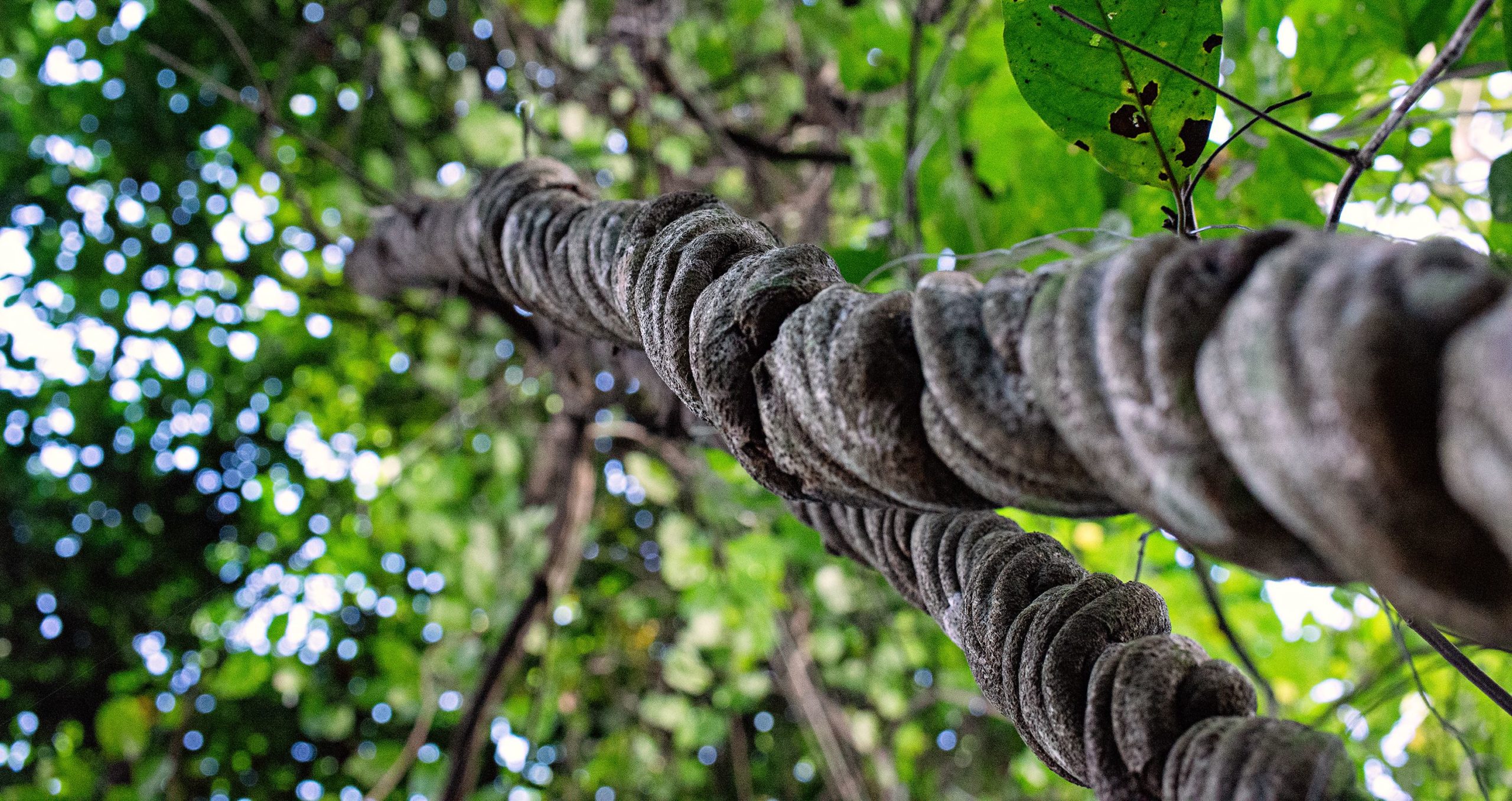
The brew is commonly prepared using the Banisteriopsis caapi vine and a DMT-containing plant, such as Psychotria viridis. Ingredients and preparation methods can vary. DMT, or N,N-dimethyltryptamine, is a potent psychedelic compound. Banisteriopsis caapi contains beta-carbolines, which inhibit the rapid breakdown of DMT in the body and allow it to produce psychoactive effects when taken orally.
For some communities, ayahuasca is an important part of cultural heritage and traditional worldviews. It is important to approach these traditions respectfully and recognise that not all communities share the same practices or perspectives.
Why Is Ayahuasca Attracting Interest in Western Countries?
In recent years, ayahuasca has attracted interest beyond South America. Some people are drawn to its cultural and spiritual traditions, while others are interested in understanding its effects on consciousness and human psychology.
The effects of ayahuasca can be intense and unpredictable. Some participants describe their experiences as spiritual or personally meaningful. Others may experience fear, anxiety, confusion, or other unpleasant effects. The meaning of an experience is individual, and an intense or spiritual-feeling experience does not, in itself, demonstrate that it improves mental health or leads to lasting change.
The potential therapeutic effects of ayahuasca are being studied, but the scientific evidence remains limited. Traditional use, individual accounts, and scientifically established treatment effects are different things.
Ayahuasca Retreats and Ceremonies
Ayahuasca retreats are organised events that may last from a single day to several days or longer. Their programmes may include ceremonies, communal practices, quiet reflection, and discussions about participants’ experiences. Organisers’ backgrounds, practices, safety arrangements, and staff qualifications vary considerably.
Describing a retreat as safe or professionally guided does not, by itself, establish that its practices meet healthcare safety standards. A ceremony leader may not be a healthcare professional, and a doctor or psychologist may not always be present.
When evaluating information about a retreat, consider who is responsible for the programme, what qualifications the staff have, and how medical or psychological emergencies are handled. Find out how participants’ privacy is protected and what the service actually includes. An organiser’s assurances alone cannot guarantee that a retreat is safe or lawful.
Health Risks and Medication Interactions
Ayahuasca can cause intense physical and psychological effects. Potential adverse effects include nausea, vomiting, dizziness, changes in heart rate and blood pressure, severe anxiety, panic, and confusion. In some circumstances, reactions can be serious and require urgent medical attention.
The beta-carbolines in ayahuasca inhibit the activity of monoamine oxidase enzymes. As a result, the brew can cause dangerous interactions with certain medications and other substances. Particular caution is necessary with some antidepressants and other medicines that affect the serotonin system.
Cardiovascular conditions and certain mental health conditions may also increase the risks. Individual contraindications and medication interactions cannot be reliably assessed using general online guidance alone.
Do not stop or change prescribed medication based on advice from a retreat organiser. If you take medication or have health concerns, discuss the matter with a doctor or another qualified healthcare professional. No amount of preparation or the presence of a facilitator eliminates all risks.
Facilitator Support and Processing Experiences
Some retreats offer opportunities to talk before or after a ceremony. The availability and quality of this support vary, and facilitators may not have qualifications in healthcare or mental health.
After an intense experience, talking with a trusted person or a qualified mental health professional may help you process thoughts and emotions. However, this does not guarantee a particular outcome, and not every experience needs to be interpreted as positive or life-changing.
If you experience persistent anxiety, sleep difficulties, confusion, or other significant psychological distress after an experience, seek help from a healthcare professional. Severe symptoms or an immediate risk of harm require urgent medical attention.
Personal Experiences and Self-Understanding
Some people who have tried ayahuasca report reconsidering their values, relationships, or understanding of themselves afterwards. Others describe their experiences as spiritual or feel that the experience strengthened their connection with nature and the surrounding environment.
These accounts reflect individuals’ personal interpretations. They do not establish that ayahuasca heals trauma, permanently changes behaviour, or produces the same benefits for everyone. An experience can also be confusing, distressing, or otherwise harmful.
Ayahuasca should not be regarded as a scientifically established treatment for mental health conditions, and a retreat is not a substitute for appropriate healthcare. If you want to address trauma or mental health difficulties, a qualified healthcare professional can help you assess suitable, evidence-based forms of support.
The Legal Status of Ayahuasca
The legal status of ayahuasca varies between countries. The legal assessment may depend on the substances contained in the brew, their legal classification, the intended use, and any exemptions relating to research or religious practices. Some countries have specific rules for certain religious practices, but this does not mean that ayahuasca is generally legal in all circumstances.
Before travelling or booking a retreat, it is important to check current legislation in both the country of departure and the destination country. Separate restrictions may also apply to possession, importation, transportation, and supplying the substances. A retreat organiser’s assurance that an activity is legal is not sufficient verification.
Ayahuasca is a culturally and scientifically complex subject. Its traditions can be explored respectfully, and information about its effects can be considered without presenting individual experiences as universal truths or downplaying potential health risks.